
Introduction
The moment the power goes out, everything changes. The refrigerator falls silent, Wi‑Fi disappears, security systems stop working, and suddenly your comfortable home feels uncertain. That’s exactly why so many homeowners are investing in a whole home generator before the next major storm or grid failure strikes.
A whole home generator does far more than keep a few lights on. It protects your food, powers medical equipment, maintains heating and cooling systems, and helps your family stay safe during extended outages. In reality, power interruptions are becoming more common across many regions due to severe weather, aging infrastructure, and rising energy demand.
Imagine trying to work remotely during a three-day blackout or keeping your family warm during freezing winter temperatures without electricity. Those situations aren’t just inconvenient—they can become expensive and dangerous surprisingly fast. That said, choosing the right generator can feel overwhelming when you’re faced with fuel types, sizing calculations, installation costs, and technical specifications.
This guide breaks everything down in plain English. Whether you’re preparing for hurricane season, protecting a rural property, or simply tired of unexpected outages disrupting your life, you’ll learn how to choose the right backup power solution with confidence.
What Is a Whole Home Generator?
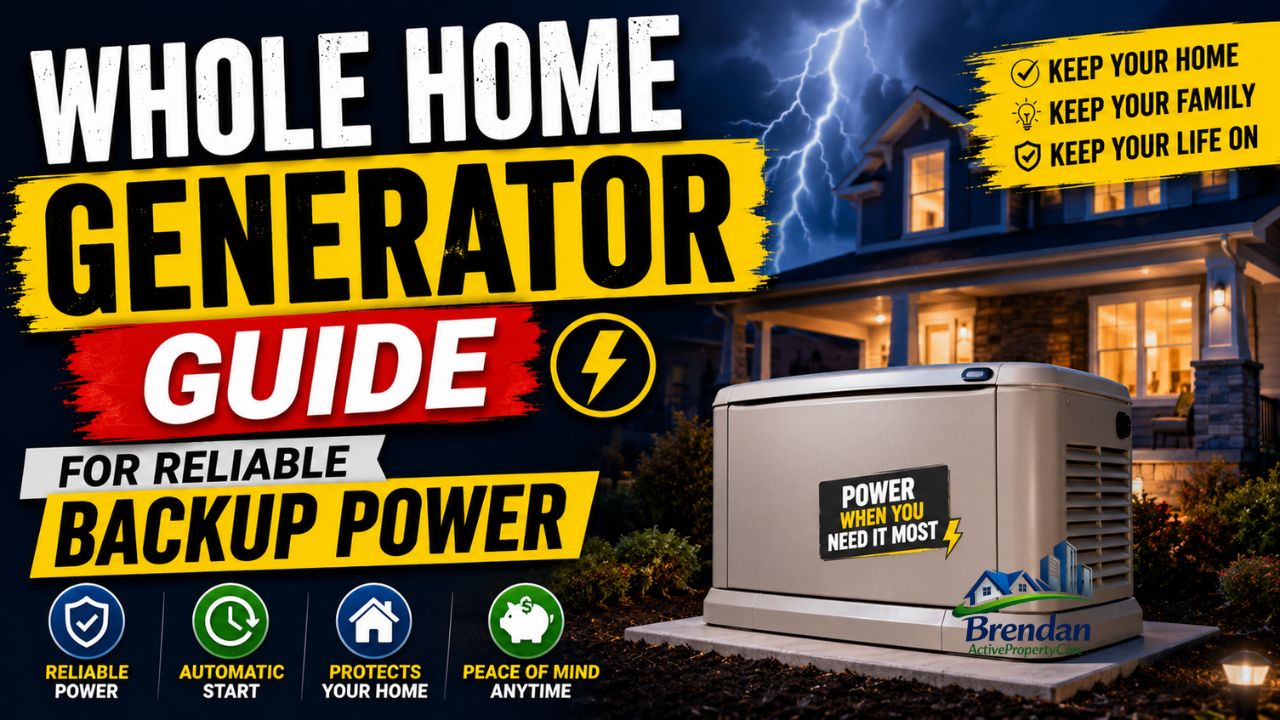
A whole-house standby generator is a permanently installed backup power system that automatically supplies electricity to your home during an outage. Unlike portable generators that require manual setup and extension cords, these systems are connected directly to your home’s electrical panel.
When utility power fails, the generator detects the interruption within seconds and starts automatically. An automatic transfer switch safely shifts your home’s electrical load from the utility grid to the generator. Once normal power returns, the system switches back and shuts itself down.
In simple terms, it acts like a personal power station for your home.
Many homeowners confuse standby generators with portable units. However, there are major differences:
| Feature | Whole Home Generator | Portable Generator |
|---|---|---|
| Startup | Automatic | Manual |
| Power Capacity | Entire home | Limited appliances |
| Fuel Source | Natural gas or propane | Gasoline |
| Installation | Permanent | Temporary |
| Noise Level | Lower | Often louder |
| Safety | Professionally connected | Extension cords required |
A modern whole home generator is especially valuable for households with:
- Medical equipment
- Home offices
- Smart home systems
- Well water pumps
- Large HVAC systems
- Elderly family members
- Frequent weather-related outages
According to energy industry reports, weather-related outages in the United States have increased dramatically over the past two decades. Hurricanes, heatwaves, ice storms, and overloaded grids continue to stress electrical infrastructure. As a result, reliable backup power has become less of a luxury and more of a practical investment.
How a Whole Home Generator Works
At first glance, standby generators seem complicated. In practice, the process is surprisingly straightforward.
A whole home generator includes four major components:
Generator Engine
This is the heart of the system. The engine converts fuel into mechanical energy, which then becomes electrical power.
Alternator
The alternator transforms mechanical energy into usable electricity for your home.
Automatic Transfer Switch
This critical component monitors your utility power. When an outage occurs, it disconnects your home from the electrical grid and safely redirects power from the generator.
Fuel Supply
Most residential systems run on:
- Natural gas
- Liquid propane
- Diesel in some cases
Here’s what typically happens during a blackout:
- Utility power fails.
- The transfer switch detects the outage.
- The generator starts automatically.
- Electricity flows to your home.
- Essential systems continue running.
- Utility power returns.
- The system reconnects to the grid.
- The generator shuts down.
Most modern systems restore power within 10 to 30 seconds. That short delay is often barely noticeable.
Benefits of Installing a Whole Home Generator
Backup power offers more than convenience. In many situations, it protects your finances, comfort, and safety.
Keeps Essential Systems Running
One of the biggest advantages of a whole home generator is uninterrupted operation of critical systems, including:
- Refrigerators and freezers
- Heating and air conditioning
- Security systems
- Medical devices
- Sump pumps
- Internet routers
- Lighting
For families with infants, seniors, or medical needs, this reliability can be incredibly important.
Protects Your Home From Damage
Power outages can trigger costly property damage. Frozen pipes, flooded basements, spoiled food, and failed sump pumps can easily create thousands of dollars in repairs.
For example, a homeowner in Texas during the 2021 winter storm reportedly faced over $20,000 in water damage after frozen pipes burst during an extended outage. Homes with backup power were significantly better protected.
Improves Comfort During Emergencies
Living without electricity quickly becomes stressful. During extreme heat or freezing temperatures, the situation can become dangerous.
A standby generator helps maintain:
- Indoor temperature control
- Hot water
- Cooking capability
- Communication access
- Lighting and entertainment
That emotional peace of mind matters more than many people expect.
Increases Property Value
Real estate professionals increasingly view standby generators as premium home upgrades.
In areas prone to storms or outages, buyers often see backup power as a major advantage. Some reports suggest professionally installed generators can improve resale appeal and potentially increase property value.
Supports Remote Work and Business Continuity
Millions of people now work from home full time. Losing power can mean:
- Missed deadlines
- Lost revenue
- Interrupted meetings
- Internet outages
A whole home generator helps maintain productivity even when the surrounding neighborhood goes dark.
Choosing the Right Generator Size
Generator sizing is one of the most important decisions homeowners make.
Choosing a unit that’s too small can overload the system. Buying one that’s too large may increase costs unnecessarily.
Understanding Wattage Requirements
Every appliance and electrical system uses a specific amount of power.
Here’s a simplified example:
| Appliance | Running Watts |
| Refrigerator | 700 |
| Central AC | 3500 |
| Electric Water Heater | 4500 |
| Lights | 600 |
| Microwave | 1000 |
| Internet Router | 50 |
To estimate your needs, add the wattage of systems you want running simultaneously.
Typical Residential Generator Sizes
10–14 kW Generators
Suitable for:
- Small homes
- Essential appliances only
- Limited HVAC usage
16–22 kW Generators
Ideal for:
- Medium-sized homes
- Central air conditioning
- Most household systems
24–38 kW Generators
Best for:
- Large homes
- Luxury properties
- Multiple HVAC systems
- Pools and workshops
A professional load calculation is always recommended before purchasing.
Whole-Home vs Essential-Circuit Coverage
Some homeowners choose partial-home coverage instead of powering the entire property.
Essential-circuit systems prioritize:
- Refrigeration
- Heating
- Lighting
- Medical devices
Meanwhile, full-home systems power nearly everything.
Your decision usually depends on:
- Budget
- Home size
- Fuel availability
- Lifestyle needs
Fuel Types Explained
The fuel source significantly affects operating costs, convenience, and maintenance.
Natural Gas Generators
Natural gas is one of the most popular choices.
Advantages
- Continuous fuel supply
- Lower maintenance
- Cleaner burning
- No refueling required
Drawbacks
- Requires gas utility connection
- Limited availability in rural areas
For suburban homeowners, natural gas often provides the easiest long-term solution.
Propane Generators
Propane systems use large storage tanks installed on the property.
Advantages
- Long fuel shelf life
- Cleaner emissions
- Reliable during utility disruptions
Drawbacks
- Requires tank refills
- Fuel prices can fluctuate
Many rural homeowners prefer propane because natural gas lines may not be available.
Diesel Generators
Diesel generators are more common in commercial environments but still used residentially in some areas.
Advantages
- Excellent durability
- Strong fuel efficiency
- Reliable heavy-duty performance
Drawbacks
- Louder operation
- Higher emissions
- Fuel storage concerns
For most residential applications, natural gas and propane remain the preferred options.
Installation Process and Requirements
Installing a standby generator isn’t a typical DIY weekend project. It involves electrical work, fuel connections, permits, and safety regulations.
Site Assessment
The process usually begins with a professional evaluation.
Technicians consider:
- Home electrical demand
- Available fuel sources
- Property layout
- Local building codes
- Noise regulations
- Ventilation requirements
Permits and Inspections
Most municipalities require permits before installation.
This may include:
- Electrical permits
- Gas permits
- Zoning approval
- Final inspections
Skipping permits can create insurance and legal issues later.
Concrete Pad Installation
Generators are generally placed on:
- Concrete slabs
- Composite mounting pads
Proper placement helps reduce vibration and improve durability.
Electrical Integration
Licensed electricians install the transfer switch and connect the system to your main electrical panel.
Safety matters enormously here. Improper installation can create:
- Fire hazards
- Electrocution risks
- Utility backfeed dangers
Fuel Connection
Natural gas systems connect directly to utility lines. Propane systems connect to onsite storage tanks.
Final Testing
Before activation, technicians perform:
- Load testing
- Startup verification
- Transfer switch testing
- Safety inspections
Most installations take one to three days depending on complexity.
Whole Home Generator Costs
One of the first questions homeowners ask is simple: “How much will it cost?”
The answer depends on several factors.
Average Equipment Costs
| Generator Size | Estimated Cost |
| 10–14 kW | $3,000–$5,000 |
| 16–22 kW | $5,000–$8,500 |
| 24–38 kW | $9,000–$15,000+ |
Installation Costs
Professional installation often adds:
- Electrical labor
- Gas plumbing
- Permits
- Transfer switch installation
- Concrete work
Total installation costs commonly range between $3,000 and $10,000.
Long-Term Operating Costs
Homeowners should also consider:
- Fuel usage
- Annual maintenance
- Oil changes
- Battery replacement
- Inspection fees
Natural gas generators often cost less to operate compared to gasoline-powered portable units.
Is It Worth the Investment?
For many families, the answer is yes.
Consider the financial impact of:
- Hotel stays during outages
- Food spoilage
- Flood damage
- Frozen pipes
- Lost remote work income
- Medical disruptions
When outages become frequent, the long-term value becomes much easier to justify.
Maintenance and Long-Term Care
Even the best generator requires routine care.
Fortunately, maintenance is usually straightforward when handled consistently.
Regular Maintenance Tasks
Typical maintenance includes:
- Oil changes
- Air filter replacement
- Battery inspections
- Coolant checks
- Spark plug replacement
- Fuel system inspections
Many manufacturers recommend professional servicing once or twice annually.
Automatic Self-Testing
Modern standby systems often perform automatic weekly self-tests.
These brief exercises help ensure the generator remains operational when needed.
Homeowners occasionally panic when hearing their generator randomly turn on for a few minutes. In most cases, that’s simply the scheduled maintenance cycle.
How Long Do Generators Last?
A quality whole home generator can last 20 to 30 years with proper maintenance.
Operating lifespan depends on:
- Usage frequency
- Fuel quality
- Maintenance consistency
- Environmental conditions
Brands known for durability often provide warranties ranging from five to ten years.
Signs Your Generator Needs Service
Watch for warning signs such as:
- Hard starting
- Strange noises
- Fluid leaks
- Excessive smoke
- Corrosion
- Warning lights
Addressing small issues early prevents expensive repairs later.
Common Mistakes Homeowners Make
Buying backup power equipment is a major decision, and mistakes can become costly.
Choosing the Wrong Size
Undersized systems may overload and fail during peak demand.
Oversized units increase purchase and operating costs unnecessarily.
Professional load assessments are worth every penny.
Ignoring Fuel Availability
Some homeowners purchase natural gas generators without confirming utility access.
Others underestimate propane storage needs during extended outages.
Fuel planning matters more than many buyers realize.
Focusing Only on Price
Cheap systems may lack:
- Reliable transfer switches
- Weather resistance
- Quiet operation
- Strong warranties
- Long-term durability
A low upfront price sometimes leads to higher repair costs later.
Skipping Maintenance
Generators sitting unused for years without inspections often fail when needed most.
That’s frustrating and surprisingly common.
DIY Installation Attempts
Improper installation can void warranties and create dangerous safety risks.
Professional installation protects both your home and your investment.
Best Features to Look For
Technology has improved dramatically in recent years.
Today’s systems include smart features that make ownership easier and more efficient.
Mobile Monitoring Apps
Many generators now connect to smartphone apps.
These apps allow homeowners to:
- Monitor system status
- Receive maintenance alerts
- Track fuel usage
- Start diagnostics remotely
Quiet Operation
Noise levels matter, especially in suburban neighborhoods.
Look for models with:
- Sound-insulated enclosures
- Advanced mufflers
- Low-decibel operation
Automatic Load Management
Some systems intelligently prioritize critical appliances during heavy usage.
This prevents overload situations while maximizing efficiency.
Corrosion Resistance
Coastal homeowners especially benefit from weather-resistant aluminum enclosures.
Salt air can damage lower-quality steel housings surprisingly fast.
Strong Warranty Coverage
Reliable manufacturers often provide:
- Five-year warranties
- Extended protection plans
- Nationwide service networks
Those details become important years after installation.
Environmental Impact and Energy Efficiency
Backup generators are incredibly useful, but environmental considerations still matter.
Cleaner Fuel Technology
Modern systems produce fewer emissions than older models.
Natural gas and propane generators generally burn cleaner than diesel or gasoline alternatives.
Fuel Efficiency Improvements
Manufacturers continue improving engine efficiency to reduce fuel consumption.
Features like variable-speed operation help minimize unnecessary fuel usage.
Noise Reduction Technology
Older generators were notoriously loud.
Today’s residential standby systems operate much more quietly, often comparable to central air conditioning units.
Smart Energy Integration
Some advanced systems now integrate with:
- Solar panels
- Battery storage systems
- Smart home energy controls
Hybrid energy systems are becoming increasingly popular among environmentally conscious homeowners.
Real-Life Use Cases and Homeowner Stories
Technical specifications matter, but real-world experiences often tell the full story.
The Remote Worker in Florida
After repeated hurricane outages disrupted her online business, a Florida homeowner installed a whole home generator connected to natural gas.
During the next major storm, nearby neighborhoods lost power for four days. Her home remained fully operational, allowing her family to stay comfortable while she continued working remotely.
The Rural Family With Well Water
A family living outside city limits relied entirely on electric well pumps for water.
Before installing backup power, outages meant no running water, no toilets, and no heating system circulation.
Their propane-powered standby system completely changed how they handled winter storms.
The Homeowner Protecting Medical Equipment
For households using oxygen machines, refrigerated medications, or powered mobility devices, outages can become medical emergencies.
One homeowner described their generator not as a luxury purchase but as “a safety necessity.”
Those stories highlight something important: backup power isn’t always about convenience. Sometimes it’s about protecting normal life during uncertain moments.
Career Growth and Financial Trends in the Generator Industry
The residential generator industry itself has experienced enormous growth over the past decade.
Increased demand from severe weather events, remote work expansion, and energy instability has fueled significant market expansion.
Major manufacturers have invested heavily in:
- Smart technology
- Energy efficiency
- Cleaner emissions
- Consumer-friendly monitoring systems
Industry analysts estimate the global residential generator market is worth billions of dollars annually and continues growing steadily. Companies leading the market have seen strong financial performance due to rising homeowner demand for energy security solutions.
FAQ
How long can a whole home generator run continuously?
Most standby generators can operate for several days as long as fuel remains available and maintenance guidelines are followed. Natural gas systems can often run continuously because they connect directly to utility fuel lines.
Does a whole home generator increase home value?
Yes, many buyers consider backup power systems a premium feature, especially in regions prone to storms, wildfires, or unreliable electrical infrastructure.
What size generator do I need for a 2,000-square-foot home?
Many homes around this size use generators between 16 and 22 kW. However, actual requirements depend on appliances, HVAC systems, and electrical demand.
Are standby generators noisy?
Modern systems are significantly quieter than older models and many portable generators. Some operate at noise levels similar to central air conditioners.
Can I install a generator myself?
Professional installation is strongly recommended. Electrical integration, fuel connections, permits, and safety compliance require licensed professionals.
What fuel is best for residential generators?
Natural gas is often preferred for convenience and continuous supply. Propane is an excellent alternative for rural homes without gas utilities.
How often should a generator be serviced?
Most manufacturers recommend annual professional maintenance along with regular inspections and oil changes.
Will a generator power my entire house?
A properly sized whole home generator can power nearly every system in your house, including HVAC, lighting, appliances, and electronics.
How quickly does a standby generator turn on?
Most systems restore power within 10 to 30 seconds after detecting an outage.
Conclusion
Power outages rarely happen at convenient times. They interrupt routines, create stress, damage property, and sometimes put families at risk. Investing in a reliable backup system changes that experience completely.
A whole home generator offers more than electricity. It provides stability during storms, confidence during emergencies, and comfort when the unexpected happens. Whether you live in a hurricane zone, a rural area with unstable utilities, or simply want better energy security, the right system can make a dramatic difference.
The key is choosing wisely. Focus on proper sizing, dependable fuel access, professional installation, and long-term maintenance. While the upfront investment can feel significant, many homeowners quickly realize the peace of mind is difficult to put a price on.
In the end, backup power isn’t just about preparing for outages. It’s about protecting the life you’ve built inside your home.