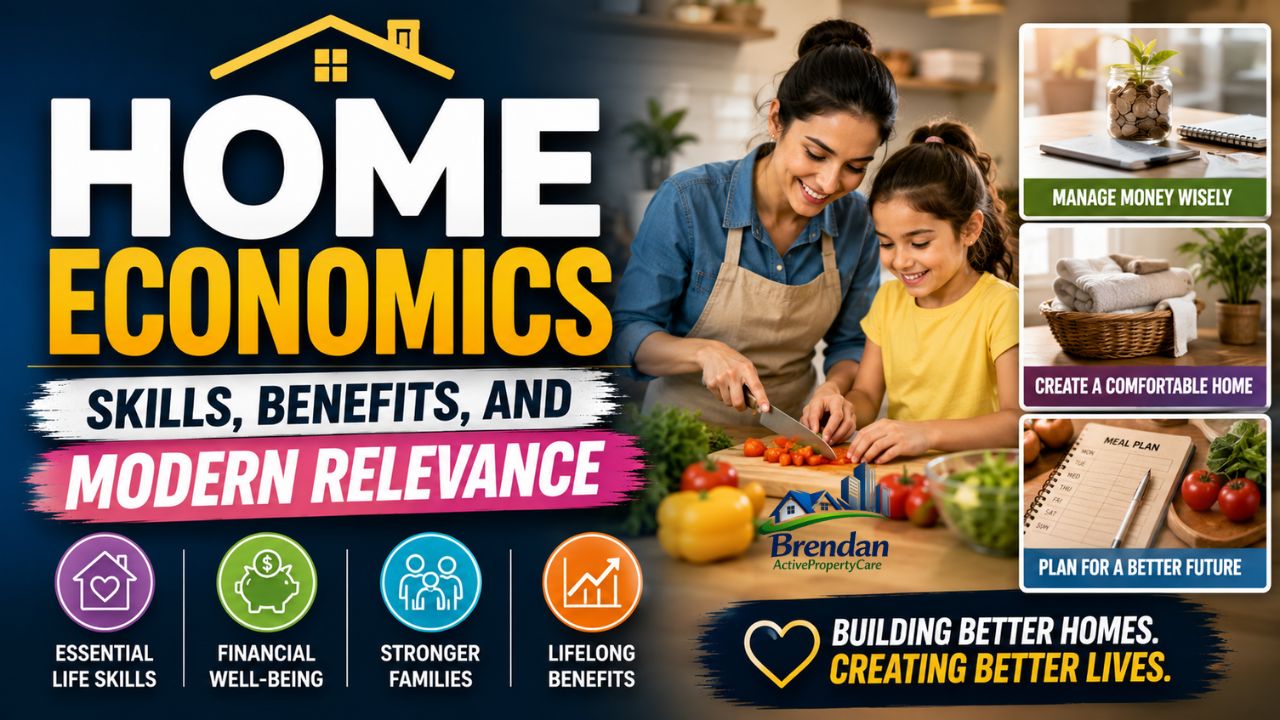
After a long day, most people want a home that feels calm, organized, and financially stable. Yet many adults admit they were never truly taught how to manage money, cook healthy meals, organize routines, or balance family responsibilities. That’s where home economics quietly becomes one of the most valuable subjects a person can learn.
For decades, home economics was misunderstood as a simple cooking or sewing class. In reality, it teaches practical life skills that shape healthier families, stronger communities, and more confident individuals. From budgeting monthly expenses to planning nutritious meals, the lessons still matter in today’s fast-moving digital world.
In modern society, rising living costs, unhealthy eating habits, and financial stress have made practical education more important than ever. People are searching for ways to save money, reduce waste, and create a balanced lifestyle. Learning these everyday skills can dramatically improve quality of life.
What Is Home Economics?
Home economics is the study of practical skills that help individuals and families manage everyday life effectively. The subject combines nutrition, personal finance, family relationships, consumer awareness, health education, and household management.
At its heart, the goal is simple: teach people how to live better. Instead of focusing only on academic theory, it emphasizes real-world knowledge that directly impacts daily routines.
Many people associate the subject with cooking or sewing because those were historically common classroom activities. However, the field has expanded significantly over time. Today, it includes topics such as:
- Meal planning and nutrition
- Financial management
- Child development
- Consumer education
- Time management
- Sustainable living
- Interior organization
- Family communication
- Health and wellness
The beauty of these lessons lies in their practicality. A teenager who learns how to create a budget or prepare healthy meals gains tools that remain useful for decades.
The History and Evolution of Home Economics
The roots of home economics stretch back to the late 19th century. During that era, industrialization changed family structures and household responsibilities. Educators realized that people needed formal instruction in nutrition, sanitation, and household efficiency.
One of the most influential figures in the field was Ellen Swallow Richards, an American scientist often considered the founder of modern home economics. She believed scientific knowledge could improve family health and living conditions.
Early programs focused heavily on domestic skills for women because societal roles were different at the time. However, the field evolved alongside cultural changes.
By the mid-20th century, schools across many countries offered classes in cooking, sewing, and household management. In the 1980s and 1990s, interest declined in some regions because the subject was unfairly labeled outdated.
Ironically, modern life has proven how valuable these skills truly are. Rising debt, poor nutrition, and increasing stress have encouraged educators to reconsider the importance of practical life education.
Today, many schools are redesigning programs to include:
- Personal finance
- Digital consumer awareness
- Mental wellness
- Sustainable household practices
- Career preparation
- Food science
This evolution reflects changing lifestyles while preserving the original mission of helping people manage daily life successfully.
Why Home Economics Still Matters Today
Modern adults face challenges previous generations rarely encountered. Food delivery apps, credit cards, online shopping, and endless subscriptions make spending money easier than ever. Unfortunately, financial literacy has not kept pace.
According to multiple financial education studies, many young adults struggle with budgeting, saving, and debt management. At the same time, global health organizations continue warning about poor dietary habits and rising obesity rates.
This is exactly why home economics remains deeply relevant.
The subject provides practical tools for handling everyday responsibilities with confidence. Someone who understands meal planning can save hundreds of dollars monthly while improving nutrition. A person with household management skills often experiences less stress and more structure.
Beyond personal benefits, these lessons strengthen families and communities.
Emotional and Mental Benefits
Practical life skills also support emotional well-being. People often feel overwhelmed when finances spiral out of control or household routines become chaotic.
Knowing how to organize tasks, plan expenses, and prepare healthy meals creates a sense of stability. In reality, confidence grows when people feel capable of managing daily responsibilities.
Building Independence
Young adults entering college or the workforce frequently discover how difficult independent living can be. Suddenly they must handle:
- Grocery shopping
- Utility bills
- Laundry
- Cooking
- Scheduling
- Cleaning
- Budgeting
Without guidance, simple tasks become stressful.
Home economics teaches independence before adulthood arrives, helping individuals transition into responsible living more smoothly.
Core Areas of Home Economics
The subject covers multiple interconnected areas that influence everyday life.
Food and Nutrition
Nutrition education teaches people how food affects physical and mental health. Students learn about:
- Balanced diets
- Reading food labels
- Meal preparation
- Portion control
- Food safety
- Grocery budgeting
These lessons become increasingly valuable as processed foods dominate modern diets.
Personal Finance
Financial literacy is one of the most critical life skills today. Students learn how to:
- Create budgets
- Manage bank accounts
- Understand credit
- Avoid debt traps
- Save for emergencies
- Compare consumer products
A strong financial foundation can reduce stress and improve long-term security.
Family and Human Development
Healthy communication and relationship skills are another important focus. Lessons may include:
- Parenting basics
- Child development
- Conflict resolution
- Emotional intelligence
- Family dynamics
These topics help individuals build healthier relationships at home and in society.
Household Management
Efficient homes do not happen by accident. Household management teaches organization, planning, and maintenance skills that make daily life easier.
Financial Literacy and Budgeting Skills
Money problems are among the leading causes of stress worldwide. Many people work hard yet still struggle because they never learned how to manage finances effectively.
One major strength of home economics is its focus on practical money habits.
Creating a Realistic Budget
Budgeting is not about eliminating joy or living with constant restrictions. It is about understanding where money goes.
A simple household budget often includes:
| Expense Category | Example |
|---|---|
| Housing | Rent or mortgage |
| Utilities | Electricity, water, internet |
| Food | Groceries and dining |
| Transportation | Fuel or public transit |
| Savings | Emergency fund |
| Personal Spending | Entertainment and hobbies |
People who track expenses are generally more aware of unnecessary spending habits.
Understanding Needs vs. Wants
One of the most powerful lessons students learn is distinguishing essential expenses from emotional purchases.
For example:
- Groceries are a need.
- Daily luxury coffee may be a want.
- Reliable transportation is a need.
- Constant online impulse shopping is often a want.
That distinction sounds simple, but it can transform financial decision-making.
Saving and Emergency Planning
Unexpected situations happen to everyone. Medical bills, job loss, or home repairs can create serious financial pressure.
People with emergency savings typically recover faster from financial setbacks. Even small monthly savings create long-term stability.
Nutrition and Healthy Living
Modern diets are heavily influenced by convenience foods, fast food advertising, and busy schedules. Unfortunately, unhealthy eating patterns contribute to fatigue, obesity, diabetes, and heart disease.
This is where nutrition education becomes life-changing.
Understanding Balanced Meals
Healthy eating does not require expensive organic products or extreme dieting trends. Often, simple balanced meals are enough.
A nutritious plate usually includes:
- Lean protein
- Vegetables
- Whole grains
- Healthy fats
- Fruit
- Water
Learning how to prepare affordable, healthy meals empowers families to eat better without overspending.
Meal Planning Saves Money
Many households waste significant amounts of food every week. Poor planning leads to spoiled groceries and unnecessary spending.
Meal planning offers several benefits:
- Reduced food waste
- Lower grocery bills
- Healthier eating habits
- Less daily stress
- Better portion control
Even preparing meals at home three extra days per week can noticeably improve both finances and health.
Food Safety Matters
Foodborne illnesses affect millions of people annually. Proper food handling reduces risks dramatically.
Important food safety habits include:
- Washing hands before cooking
- Storing foods at correct temperatures
- Avoiding cross-contamination
- Checking expiration dates
- Cooking meats thoroughly
These small habits protect families from preventable health issues.
Household Management and Organization
An organized home does more than look clean. It affects productivity, mental clarity, and emotional comfort.
Time Management Skills
Busy schedules often leave people feeling exhausted and disorganized. Effective household management teaches how to prioritize tasks realistically.
Helpful strategies include:
- Creating weekly schedules
- Using shopping lists
- Planning meals ahead
- Setting cleaning routines
- Dividing household responsibilities
These habits reduce last-minute stress and create smoother daily routines.
Cleaning and Maintenance
Maintaining a home properly helps protect long-term investments.
Simple maintenance tasks include:
- Checking plumbing leaks
- Cleaning appliances
- Organizing storage
- Maintaining ventilation
- Caring for furniture
Neglecting small issues often leads to expensive repairs later.
Creating Functional Living Spaces
Modern interior organization focuses on functionality rather than perfection.
A well-designed home environment can:
- Improve focus
- Reduce anxiety
- Encourage family interaction
- Increase efficiency
- Promote relaxation
Even small apartments feel more comfortable when organized intentionally.
Parenting and Family Relationships
Healthy families rarely happen automatically. Communication, empathy, and consistency require effort.
One overlooked strength of home economics is its attention to relationship-building skills.
Understanding Child Development
Children grow emotionally, physically, and socially at different stages. Understanding developmental milestones helps parents respond more effectively.
For example:
- Toddlers need routine and patience.
- Teenagers require emotional support and boundaries.
- Young children learn through observation and repetition.
Awareness improves parenting confidence and reduces unnecessary conflict.
Communication Skills
Strong communication is essential in every relationship.
Effective communication habits include:
- Active listening
- Respectful disagreement
- Emotional awareness
- Honest conversation
- Problem-solving together
Families who communicate openly often develop stronger emotional connections.
Balancing Work and Family Life
Modern parents frequently struggle with burnout. Between careers, childcare, and financial responsibilities, maintaining balance feels difficult.
Practical planning skills help families create healthier routines and more meaningful time together.
Career Opportunities in Home Economics
Many people assume the field only relates to household tasks, but it actually opens doors to numerous professional careers.
Career paths connected to home economics include:
- Nutritionist
- Dietitian
- Interior designer
- Family counselor
- Childcare specialist
- Consumer educator
- Hospitality manager
- Teacher
- Food scientist
- Community health educator
These professions influence industries ranging from healthcare to education and hospitality.
Education and Teaching
Teachers in this field help students build real-life confidence. Their work often has lasting impact because students directly apply what they learn.
Nutrition and Wellness Careers
Health professionals specializing in nutrition are increasingly important as lifestyle-related illnesses continue rising globally.
Registered dietitians and wellness educators help people improve eating habits and long-term health outcomes.
Entrepreneurship Opportunities
Many entrepreneurs also build businesses using practical life skills.
Examples include:
- Meal prep services
- Baking businesses
- Parenting consulting
- Home organization services
- Lifestyle coaching
- Sustainable product brands
These opportunities demonstrate how valuable practical expertise can become.
Technology and Modern Home Economics
Technology has changed how households function. Smart devices, budgeting apps, online shopping, and digital meal planning tools are now part of daily life.
Instead of replacing traditional life skills, technology has expanded them.
Digital Budgeting Tools
Apps now help families track expenses instantly. Features often include:
- Spending alerts
- Savings goals
- Subscription tracking
- Debt monitoring
- Investment planning
However, technology only works effectively when users understand basic financial principles.
Online Nutrition Education
Social media platforms are filled with food advice, but not all information is trustworthy.
Modern home economics encourages critical thinking and evidence-based nutrition instead of blindly following online trends.
Smart Homes and Efficiency
Technology can also improve household efficiency through:
- Energy-saving devices
- Smart thermostats
- Automated cleaning tools
- Digital calendars
- Grocery delivery systems
Used wisely, these tools reduce stress and save time.
Sustainability and Eco-Friendly Living
Environmental awareness has become a major part of modern household education.
Families today are increasingly interested in reducing waste and living more sustainably.
Reducing Household Waste
Simple habits can significantly reduce environmental impact:
- Using reusable containers
- Composting food scraps
- Repairing items instead of replacing them
- Conserving water
- Buying durable products
These practices often save money while helping the environment.
Energy Conservation
Efficient households consume less energy.
Practical steps include:
- Switching to LED lighting
- Unplugging unused electronics
- Improving insulation
- Using energy-efficient appliances
- Washing clothes in cold water
Small changes create long-term savings.
Sustainable Food Choices
Meal planning and mindful grocery shopping reduce food waste significantly.
Choosing seasonal produce and cooking at home more frequently can also lower environmental impact.
Common Misconceptions About Home Economics
Despite its value, several myths still surround the subject.
“It’s Only About Cooking”
Cooking is only one component. The field also covers finance, communication, wellness, parenting, and consumer awareness.
“It’s Only for Women”
This outdated belief ignores reality.
Every person benefits from learning how to manage finances, cook healthy meals, and maintain a functional home.
Modern programs are designed for everyone.
“These Skills Are Easy to Learn Online”
While online tutorials help, structured education provides deeper understanding and guided practice.
Watching a budgeting video is different from consistently applying financial planning skills in real life.
How Schools Are Bringing It Back
Interestingly, many schools are reintroducing practical life education after years of reduced emphasis.
Educators increasingly recognize that students need more than academic knowledge to succeed.
Modern Curriculum Changes
Today’s programs often include:
- Financial literacy
- Career readiness
- Mental wellness
- Digital consumer awareness
- Nutrition science
- Sustainability education
These updates make lessons more relevant for current lifestyles.
Preparing Students for Adulthood
Many young adults graduate without understanding taxes, credit cards, leases, or meal planning.
Schools are beginning to address these gaps because practical knowledge directly affects adult success.
Community-Based Learning
Some schools now partner with local businesses, nutrition experts, and community organizations to provide hands-on experiences.
Students may learn:
- Grocery budgeting in real stores
- Cooking techniques from chefs
- Financial planning from professionals
- Gardening and sustainability practices
These experiences create memorable, real-world learning opportunities.
Practical Ways to Apply Home Economics Daily
Practical life skills become most powerful when used consistently.
Start With Small Habits
Many people try dramatic lifestyle changes that quickly become overwhelming. Smaller steps are often more sustainable.
Examples include:
- Cooking one additional meal at home weekly
- Tracking expenses for 30 days
- Creating a grocery list before shopping
- Organizing one room at a time
- Reducing food waste gradually
Small improvements compound over time.
Create Family Routines
Consistent routines help households run more smoothly.
Useful routines may include:
- Weekly meal planning
- Shared cleaning schedules
- Family budgeting discussions
- Digital-free dinner time
- Monthly financial reviews
These routines encourage teamwork and reduce chaos.
Teach Children Early
Children absorb habits through observation.
Teaching kids simple responsibilities like cooking basics, organizing belongings, and saving money helps prepare them for adulthood.
Focus on Long-Term Wellness
The true value of home economics is not perfection. It is creating healthier, more balanced lives over time.
People who develop practical life skills often feel more independent, financially secure, and emotionally prepared for challenges.
FAQs
What is home economics in simple words?
Home economics is the study of practical life skills such as cooking, budgeting, nutrition, household management, and family relationships.
Why is home economics important today?
It helps people manage money, eat healthier, reduce stress, and develop independent living skills in a fast-paced modern world.
Is home economics only about cooking?
No. The subject also includes financial literacy, parenting, organization, wellness, and consumer education.
Can home economics improve financial habits?
Yes. Budgeting, saving, and responsible spending are major parts of the subject and can improve long-term financial stability.
Do schools still teach home economics?
Many schools are reintroducing updated versions of the subject that include nutrition, finance, and life skills education.
What careers are related to home economics?
Career options include teaching, nutrition, interior design, hospitality management, counseling, and wellness coaching.
How does home economics support healthy living?
It teaches meal planning, food safety, nutrition awareness, and healthy lifestyle habits that improve overall well-being.
Is home economics useful for men and women?
Absolutely. Practical life skills benefit everyone regardless of gender.
What are examples of home economics skills?
Examples include cooking, budgeting, cleaning, organizing schedules, meal planning, parenting, and consumer decision-making.
Conclusion
Modern life often feels complicated, expensive, and emotionally exhausting. Yet many everyday challenges become easier when people understand practical skills that support healthier living.
From budgeting wisely to preparing nutritious meals, the lessons taught through home economics remain deeply valuable in today’s world. These skills encourage independence, confidence, and stronger relationships while helping individuals make smarter financial and lifestyle decisions.
The subject is no longer about outdated stereotypes or simple household chores. It has evolved into a modern life education system that prepares people for real-world responsibilities.
In many ways, the growing interest in practical living proves something important: people are searching for stability, balance, and meaningful daily habits. And sometimes, the most powerful education comes from learning how to manage ordinary life exceptionally well.