
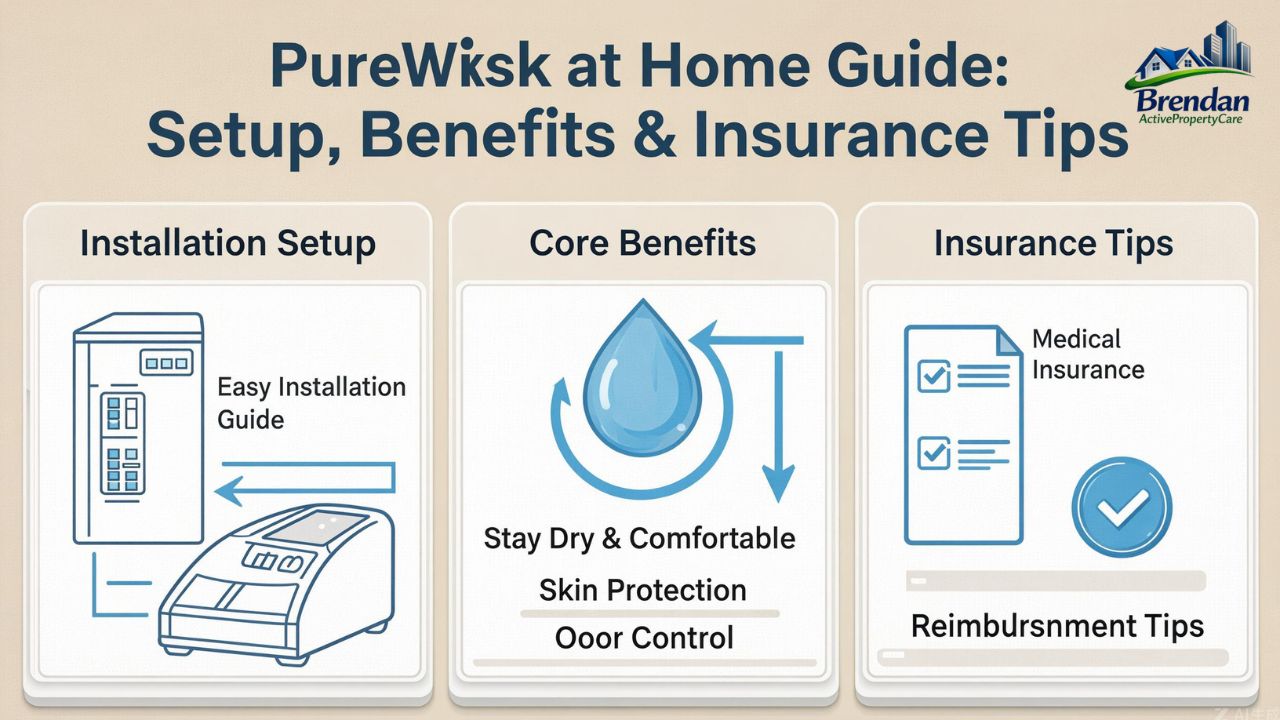
Introduction
Waking up several times a night because of bladder leakage can feel exhausting, frustrating, and honestly a little isolating. For many women and caregivers, finding a comfortable solution that actually works is life-changing. That’s why interest in purewick at home has grown so quickly in recent years.
Unlike traditional catheters that can feel invasive or uncomfortable, the PureWick system offers a gentler alternative designed specifically for women. It helps manage urinary incontinence while reducing skin irritation, nighttime accidents, and endless laundry. More importantly, it allows many people to regain a sense of dignity and independence at home.
Whether you’re caring for an aging parent, recovering from surgery, or simply exploring better incontinence management options, understanding how this system works can save time, stress, and money. In reality, many people hear about it in hospitals first, then wonder if it can realistically be used at home every day. The answer is yes—and for many families, it becomes part of a healthier daily routine.


What Is PureWick and How Does It Work?
The PureWick system is a non-invasive female external catheter designed to draw urine away from the body using low-pressure suction. Instead of inserting a tube into the bladder, the device rests externally between the labia and gluteal area.
The system typically includes:
- A disposable wick
- A suction tube
- A urine collection canister
- A bedside suction machine
When urine is released, gentle suction pulls moisture into the collection container. This helps keep skin dry and reduces exposure to bacteria and moisture-related irritation.
One reason many healthcare professionals recommend it is because urinary tract infections are often more common with internal catheters. External systems may lower that risk when used correctly.
Why It Feels Different From Traditional Catheters
Traditional Foley catheters are inserted into the urethra and remain in place continuously. While effective, they can sometimes cause discomfort, infections, or emotional distress.
The PureWick device feels less clinical for many users because:
- No insertion is required
- It’s softer and more flexible
- It allows easier repositioning
- It supports overnight use comfortably
That emotional comfort matters more than people realize. Many patients say they sleep better simply because they feel less anxious.
Why More Families Are Choosing purewick at home
Healthcare is shifting rapidly toward home-based recovery and long-term care. Hospitals discharge patients earlier than ever, and caregivers often manage complex needs at home.
That’s where purewick at home becomes incredibly valuable.
Families are choosing this option because it can:
- Reduce nighttime bed changes
- Improve sleep quality
- Lower caregiver stress
- Help prevent skin breakdown
- Support mobility limitations
According to healthcare industry reports, millions of adults in the United States experience urinary incontinence, especially women over age 50. Yet many avoid discussing it openly because of embarrassment.
That silence can create unnecessary suffering.
The truth is that modern incontinence management has evolved dramatically. Solutions today focus not only on hygiene but also on emotional wellbeing and independence.


Benefits of Using PureWick at Home
Better Sleep for Patients and Caregivers
Nighttime incontinence can interrupt sleep repeatedly. Constant bedding changes leave everyone exhausted.
Many users report sleeping longer stretches after switching to PureWick because the system continuously removes moisture overnight.
That said, proper positioning still matters. Incorrect placement may reduce effectiveness.
Reduced Skin Irritation
Prolonged moisture exposure can lead to:
- Skin redness
- Rashes
- Pressure injuries
- Fungal infections
Keeping skin dry is one of the biggest advantages of the PureWick system. This becomes especially important for bedridden patients or individuals with limited mobility.
More Dignity and Independence
There’s a strong emotional side to bladder leakage that people rarely discuss openly.
Many women feel embarrassed relying on diapers or needing constant help. Using an external catheter at home may restore confidence and privacy.
For some users, it means fewer uncomfortable conversations and more control over daily life.
Easier Caregiving
Caregivers often experience burnout from repetitive nighttime cleaning and repositioning.
The system can help simplify routines by:
- Reducing linen changes
- Limiting clothing changes
- Decreasing lifting demands
- Improving hygiene management
Even small reductions in caregiver workload can significantly improve mental health.
Who Can Benefit From the PureWick System?
Not everyone is an ideal candidate, but many people benefit from using purewick at home.
Older Adults With Limited Mobility
Seniors who struggle to reach the bathroom safely during the night are among the most common users.
Conditions may include:
- Arthritis
- Parkinson’s disease
- Stroke recovery
- Dementia
- General weakness
Post-Surgery Recovery Patients
Patients recovering from surgeries sometimes experience temporary mobility challenges or urinary urgency.
The system can reduce unnecessary strain during healing.
Ferguson Plumbing
Shop Ferguson Plumbing for reliable plumbing supplies, fixtures, tools, pipes and professional solutions for residential and commercial projects.
FFerguson
Find FFerguson plumbing supplies, fixtures, tools and building products for professional contractors, businesses and home improvement projects.
Feazel Roofing
Choose Feazel Roofing for professional roof repair, replacement and inspection services designed to protect and enhance your property.
Plumbers Putty
Discover high-quality plumbers putty for creating watertight seals around sinks, drains, faucets and other plumbing fixtures.
Women With Chronic Incontinence
For individuals managing long-term bladder leakage, the device may offer greater comfort than absorbent products alone.
Bedridden Patients
Patients confined to bed often experience higher risks of skin breakdown due to moisture exposure. External urine management helps reduce that risk.
However, users who move frequently during sleep may require repositioning to maintain effectiveness.
Setting Up purewick at home Step by Step
Using the system properly makes a huge difference in performance.
Step 1: Gather Supplies
Before setup, prepare:
- PureWick catheter
- Suction canister
- Tubing
- Power source
- Disposable gloves
- Gentle cleansing wipes
Step 2: Position the User Comfortably
The patient should lie comfortably on their back with legs slightly apart.
Comfort matters here. Rushing placement often leads to leaks.
Step 3: Place the Wick Correctly
The soft wick should rest snugly between the labia and gluteal area.
It should not feel forced or compressed.
Step 4: Connect the Suction System
Attach tubing securely and confirm suction is functioning properly.
Most systems use quiet low-pressure suction that operates continuously.
Step 5: Monitor Performance
Check periodically for:
- Proper positioning
- Moisture leakage
- Full canisters
- Skin condition
Small adjustments can improve effectiveness dramatically.
Daily Cleaning and Maintenance Tips
Proper hygiene keeps the system working safely.
Clean Skin Gently
Wash and dry the area regularly using mild, fragrance-free products.
Avoid harsh soaps that may irritate sensitive skin.
Replace Disposable Components
Disposable wicks should be changed according to manufacturer recommendations.
Trying to extend usage too long may increase odor, bacteria growth, or leaks.
Empty the Collection Canister
Empty the canister routinely and sanitize it as instructed.
A neglected collection system may develop unpleasant odors quickly.
Inspect for Wear and Tear
Check tubing connections and suction performance regularly.
Weak suction may reduce effectiveness without being immediately obvious.
Insurance Coverage and Costs
One of the biggest questions surrounding purewick at home is affordability.
Does Medicare Cover PureWick?
Coverage rules can vary based on:
- Medical necessity
- Physician documentation
- Supplier eligibility
- Insurance provider policies
Some users receive partial reimbursement, while others pay out-of-pocket.
It’s important to contact both your healthcare provider and insurance company directly.
Typical Costs
Costs may include:
| Item | Estimated Cost |
|---|---|
| Suction machine | $300–$600 |
| Disposable wicks | $150–$250 monthly |
| Tubing and accessories | Variable |
| Replacement canisters | Variable |
Prices fluctuate depending on supplier and region.
Ways to Save Money
Some families reduce costs through:
- HSA or FSA accounts
- Medical supply discounts
- Subscription programs
- Insurance reimbursement claims
Comparing PureWick to Traditional Catheters
Choosing between systems depends on individual medical needs.
| Feature | PureWick | Foley Catheter |
|---|---|---|
| Invasive | No | Yes |
| Infection risk | Lower potential risk | Higher UTI risk |
| Comfort level | Generally higher | Can be uncomfortable |
| Mobility required | Limited mobility ideal | Various |
| Setup complexity | Moderate | Clinical placement |
While PureWick offers advantages, it may not replace all catheter needs.
Patients with urinary retention or certain medical complications may still require internal catheterization.
Common Challenges and How to Solve Them
Even effective systems can have occasional issues.
Leakage Problems
Common causes include:
- Incorrect placement
- User movement during sleep
- Weak suction
- Saturated wick
Repositioning usually solves the issue quickly.
Noise Concerns
Some users worry about suction machine noise at night.
Modern units are typically quieter than older medical devices, but placing the machine slightly farther from the bed may help.
Skin Sensitivity
Sensitive skin can react to prolonged contact or moisture.
Using barrier creams approved by healthcare providers may reduce irritation.
Difficulty Sleeping With the Device
Adjustment periods are normal.
Many users adapt within several nights once they become familiar with positioning and comfort.


Real-Life Experiences From Caregivers and Users
The emotional impact of incontinence management often surprises people.
One caregiver described finally sleeping six uninterrupted hours after months of nightly bedding changes for her mother recovering from a stroke.
Another user shared that she felt “less like a patient” after switching from absorbent briefs alone to a more discreet external catheter system.
These stories matter because medical products affect real lives, not just symptoms.
Emotional Relief Is Often Overlooked
Healthcare conversations tend to focus on technical performance. However, emotional relief can be equally important.
People managing chronic bladder leakage frequently experience:
- Anxiety
- Social withdrawal
- Embarrassment
- Sleep deprivation
- Depression
A system that restores even small pieces of confidence can improve quality of life significantly.
The Caregiver Perspective
Caregivers often carry invisible stress.
Managing incontinence around the clock can create physical exhaustion and emotional fatigue. Some caregivers quietly admit they feel guilty for becoming frustrated.
That’s human.
Tools that reduce repetitive overnight care can help preserve healthier relationships between patients and caregivers.
Tips for Making purewick at home More Effective
Small habits can improve results dramatically.
Create a Nighttime Routine
Consistency helps.
Try:
- Skin cleansing before bed
- Proper wick placement
- Checking tubing connections
- Emptying the canister nightly
Use Supportive Bedding
Waterproof mattress protectors and absorbent pads add backup protection.
Even reliable systems occasionally leak during repositioning.
Track Skin Changes
Early signs of irritation include:
- Redness
- Warm skin
- Tenderness
- Rash development
Addressing issues early prevents larger complications.
Stay Hydrated
Ironically, some people reduce fluids excessively to avoid accidents.
Dehydration may worsen urinary health and increase infection risks.
Balanced hydration is important.
FAQ
Frequently Asked Questions
Can PureWick be used every night at home?
Yes, many users safely use the system nightly as part of ongoing incontinence management. Following cleaning and replacement instructions is essential.
Is purewick at home covered by Medicare?
Coverage depends on medical necessity and insurance policy details. Some patients qualify for reimbursement while others pay privately.
Does the PureWick system hurt?
Most users describe it as comfortable because it is external and non-invasive. Proper positioning improves comfort significantly.
How often should the wick be changed?
Disposable wicks should generally be replaced according to manufacturer instructions and hygiene recommendations.
Can active sleepers use the system?
It may work for active sleepers, but frequent movement can increase leakage risk. Proper positioning and bedding protection help.
Is the suction machine loud?
Most modern units are relatively quiet. However, noise sensitivity varies from person to person.
Does PureWick reduce urinary tract infections?
Because it is external rather than inserted, some users may experience lower infection risks compared to internal catheters. Individual outcomes vary.
Can caregivers set up the system easily?
Yes. Most caregivers learn setup quickly after initial instruction and practice.
Is PureWick only for elderly women?
No. Women recovering from surgery, illness, injury, or chronic conditions may also benefit from the system.
Conclusion
Managing urinary incontinence at home can feel emotionally draining at first, especially when sleep disruption, skin irritation, and caregiver exhaustion become daily realities. However, modern solutions have changed what home care can look like.
For many families, purewick at home offers more than convenience. It provides comfort, dignity, cleaner nights, and emotional relief that often gets overlooked in medical conversations. While it may not be the perfect solution for every situation, it has helped countless women and caregivers create safer and more manageable routines.
The most important step is choosing a solution that supports both physical health and quality of life. Sometimes even small improvements—like sleeping through the night or avoiding constant linen changes—can make an enormous difference in everyday wellbeing.