Introduction
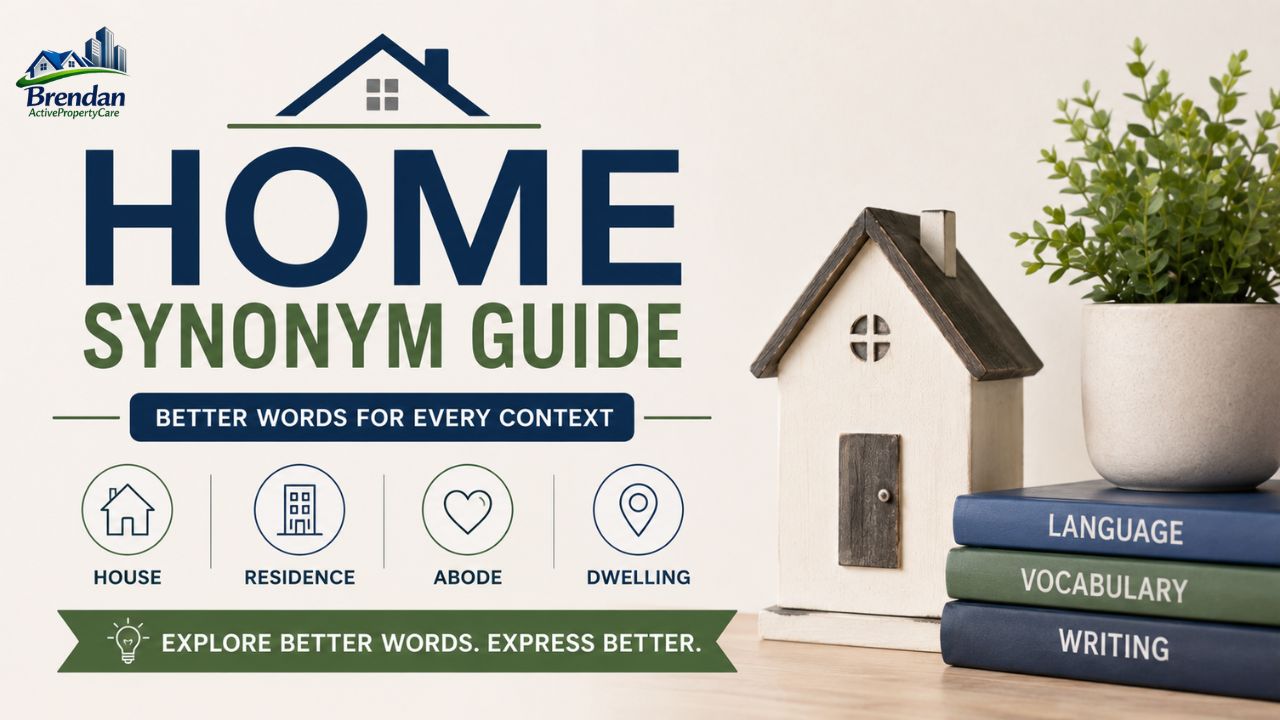
Words shape how we feel, think, and connect with others. A simple change in vocabulary can make writing sound warmer, more professional, more emotional, or even more persuasive. That’s exactly why understanding a good home synonym matters more than many people realize.
Whether you’re writing a novel, creating marketing content, improving your English vocabulary, or simply trying to avoid repetition, choosing the right alternative for “home” can instantly improve your communication. Some words sound formal, others feel cozy and emotional, while a few carry cultural or poetic meaning.
The beauty of language is that no two words are perfectly identical. Even when several terms mean “home,” each one creates a slightly different impression. Knowing when to use “residence,” “dwelling,” “abode,” or “household” helps your writing sound more natural and precise.
In this guide, you’ll explore the meaning of every major home synonym, discover their subtle differences, and learn how to use them naturally in everyday conversations and professional writing.
What Does the Word “Home” Really Mean?
The word “home” is more than a physical place. It often represents:
- Comfort
- Safety
- Family
- Belonging
- Identity
- Emotional connection
Unlike “house,” which usually describes a building, “home” often carries emotional meaning. For example:
- “I bought a new house” refers to property.
- “I finally found a home” suggests emotional attachment.
Because of this emotional depth, selecting the right home synonym depends heavily on context.
Emotional Meaning vs Physical Meaning
Some alternatives emphasize structure and location, while others focus on feelings and relationships.
| Emotional Focus | Physical Focus |
|---|---|
| Sanctuary | Residence |
| Haven | Dwelling |
| Nest | Property |
| Household | House |
Understanding this distinction helps writers choose words more effectively.
Common Home Synonym Options and Their Meanings
There are dozens of alternatives to the word “home,” but not all of them work in every situation. Below are the most commonly used terms and what makes each unique.
Residence
“Residence” is formal and commonly used in legal, academic, or official contexts.
Examples:
- Permanent residence
- Place of residence
- Residential address
Best used for:
- Business writing
- Official documents
- Real estate content
Dwelling
“Dwelling” refers to a place where someone lives. It sounds slightly technical or literary.
Examples:
- Ancient dwellings
- Rural dwelling
- Human dwelling
Best used for:
- Historical writing
- Academic discussions
- Architecture topics
Abode
“Abode” has an old-fashioned or poetic tone. It appears frequently in literature and creative writing.
Examples:
- Humble abode
- Mountain abode
- Temporary abode
Best used for:
- Storytelling
- Creative content
- Humorous writing
Household
“Household” refers more to the people living together than the building itself.
Examples:
- Household income
- Busy household
- Family household
Best used for:
- Family discussions
- Demographic studies
- Lifestyle content
Habitat
“Habitat” usually describes the natural environment where animals or organisms live, but it can occasionally describe human living spaces metaphorically.
Examples:
- Natural habitat
- Urban habitat
Best used for:
- Scientific writing
- Environmental topics
Shelter
“Shelter” emphasizes protection and safety.
Examples:
- Emergency shelter
- Homeless shelter
- Seeking shelter
Best used for:
- Humanitarian topics
- Safety discussions
- Emotional storytelling
Choosing the Right Home Synonym for Writing
The best alternative depends entirely on tone and purpose. Professional writing requires precision, while creative writing often values emotional resonance.
Formal Writing
For formal contexts, choose words such as:
- Residence
- Property
- Dwelling
- Housing unit
These terms sound neutral and professional.
Example:
“The applicant must provide proof of residence.”
Creative Writing
Creative work benefits from emotional and sensory language.
Good choices include:
- Haven
- Nest
- Sanctuary
- Abode
Example:
“She returned to her quiet sanctuary after a long journey.”
Marketing and Real Estate
Real estate descriptions often use persuasive alternatives.
Popular choices:
- Dream home
- Residence
- Luxury estate
- Living space
These words create aspiration and emotional appeal.
Synonyms Based on Emotional Tone
Different words create different feelings. This is one reason mastering a home synonym can elevate your writing instantly.
Cozy and Warm Alternatives
Words that suggest comfort include:
- Nest
- Haven
- Retreat
- Sanctuary
Example:
“The cabin became their winter retreat.”
Luxurious Alternatives
Upscale language may include:
- Estate
- Manor
- Villa
- Residence
Example:
“The family moved into a waterfront villa.”
Temporary Living Spaces
Temporary living terms include:
- Lodging
- Accommodation
- Quarters
Example:
“We found temporary accommodation near the city center.”
Home Synonym in Literature and Poetry
Writers often avoid repeating common words. That’s why literary authors frequently replace “home” with richer alternatives.
Symbolic Language
Literature uses symbolic substitutes to deepen emotional impact.
Examples:
- Sanctuary
- Refuge
- Hearth
- Homeland
These words often represent:
- Security
- Family
- National identity
- Memory
Poetic Expressions
Poets choose words based on rhythm, emotion, and imagery.
Example:
“Her heart longed for the distant hearth she once knew.”
Here, “hearth” evokes warmth, tradition, and belonging.
Regional and Cultural Variations
Language changes across countries and cultures. Some synonyms are more common in British English, while others are favored in American English.
British English Terms
Common British alternatives include:
- Flat
- Lodgings
- Council housing
American English Terms
Common American alternatives include:
- Apartment
- Condo
- Residence
Understanding regional preferences improves communication accuracy.
Differences Between House and Home
Many learners confuse these words, but they are not identical.
House
A house is:
- A physical structure
- A building
- Real estate property
Home
A home is:
- Emotional
- Personal
- Psychological
Someone can own a house without feeling at home.
This distinction matters when selecting the right home synonym in writing.
Best Synonyms for Everyday Conversation
Some alternatives sound natural in daily speech, while others feel too formal or poetic.
Most Natural Everyday Options
- Place
- Apartment
- House
- Residence
Examples:
- “I’m heading back to my place.”
- “Their residence is downtown.”
Less Common Conversational Alternatives
Words like “abode” or “dwelling” are usually uncommon in casual conversation.
They may sound:
- Humorous
- Dramatic
- Literary
Professional Uses of Home Synonym Terms
Specific industries prefer certain vocabulary choices.
Real Estate Industry
Common terms:
- Residence
- Property
- Unit
- Condominium
Hospitality Industry
Hotels often use:
- Accommodation
- Lodging
- Suite
Legal and Government Contexts
Official forms commonly use:
- Residence
- Domicile
- Permanent address
These words carry precise legal meaning.
How Word Choice Affects Reader Emotion
The words you choose influence how readers feel.
Compare these examples:
- “They entered the dwelling.”
- “They returned to their sanctuary.”
Both sentences describe a place to live, but the emotional tone changes completely.
Neutral Tone
Neutral words include:
- Residence
- Property
- Unit
Emotional Tone
Emotional words include:
- Haven
- Refuge
- Nest
Careful vocabulary selection helps writers create stronger emotional connections.
Common Mistakes When Using Synonyms for Home
Many writers misuse synonyms because they assume every word means exactly the same thing.
Using Formal Words Casually
Example:
Incorrect:
“Come visit my residence tonight.”
Correct:
“Come visit my house tonight.”
“Residence” sounds too formal for casual speech.
Confusing Shelter with Home
A shelter provides protection, but it doesn’t always imply emotional attachment.
Overusing Poetic Terms
Words like “abode” work best occasionally. Repeating them can sound unnatural.
Synonyms for Home in Different Contexts
Context determines the best alternative.
Academic Writing
Use:
- Residence
- Dwelling
- Housing
Creative Storytelling
Use:
- Sanctuary
- Haven
- Hearth
Business Communication
Use:
- Residence
- Property
- Address
Emotional Writing
Use:
- Refuge
- Nest
- Retreat
The Psychology Behind the Word Home
Humans naturally associate home with identity and safety.
Psychologists often connect the idea of home with:
- Emotional security
- Childhood memories
- Personal identity
- Mental comfort
That emotional power explains why choosing the correct home synonym can make writing more relatable and memorable.
Why Certain Words Feel Comforting
Words like “haven” and “sanctuary” trigger feelings of:
- Calmness
- Protection
- Peace
Meanwhile, terms like “property” or “residence” feel emotionally distant.
Modern Usage Trends
Language evolves constantly. Some older synonyms are becoming less common, while modern alternatives gain popularity.
Popular Modern Terms
Younger speakers often use:
- Place
- Space
- Pad
Examples:
- “Welcome to my new place.”
- “This is my creative space.”
Declining Terms
Words such as:
- Abode
- Hearth
- Homestead
are now mostly literary or historical.
Home Synonym in Branding and Marketing
Brands carefully choose housing-related language because it influences buyers emotionally.
Emotional Marketing
Words like:
- Sanctuary
- Dream home
- Haven
help create emotional appeal.
Luxury Marketing
Luxury brands prefer:
- Estate
- Villa
- Residence
because these words sound prestigious.
Tips for Expanding Vocabulary Naturally
Improving vocabulary doesn’t require memorizing endless lists.
Read Widely
Books, articles, and magazines expose you to natural word usage.
Pay Attention to Context
Notice how writers use synonyms differently.
Practice Rewriting Sentences
Example:
Original:
“She returned home.”
Alternative:
“She returned to her peaceful retreat.”
This exercise improves flexibility and creativity.
FAQ
Frequently Asked Questions
What is the best synonym for home?
The best alternative depends on context. “Residence” works for formal writing, while “haven” or “sanctuary” fit emotional contexts.
Is house the same as home?
No. A house is a physical building, while a home carries emotional meaning and personal attachment.
Which home synonym sounds most formal?
“Residence” is usually considered the most formal and professional option.
What word means a safe home?
Words like “sanctuary,” “haven,” and “refuge” emphasize safety and comfort.
Can abode be used in everyday conversation?
Yes, but it often sounds humorous, poetic, or old-fashioned in casual speech.
What is a literary synonym for home?
Literary alternatives include:
- Hearth
- Sanctuary
- Refuge
- Abode
Which synonym works best in business writing?
“Residence” and “property” are the most suitable choices for professional communication.
Why do writers use synonyms for home?
Writers use alternatives to:
- Avoid repetition
- Create emotion
- Match tone
- Improve clarity
Is dwelling a common modern word?
It is less common in everyday conversation but still appears in academic, legal, and architectural writing.
What word describes a luxurious home?
Common luxury-related terms include:
- Estate
- Manor
- Villa
- Residence
Conclusion
Language becomes more powerful when you understand the emotional weight behind words. A simple home synonym can completely change the tone of a sentence, making it feel warmer, more professional, more poetic, or more persuasive.
Whether you’re writing fiction, improving your vocabulary, creating marketing content, or simply trying to communicate more naturally, choosing the right alternative matters. Some words emphasize comfort and belonging, while others focus on structure, status, or practicality.
The key is understanding context. Once you know the subtle differences between terms like “residence,” “haven,” “dwelling,” and “sanctuary,” your writing instantly becomes more expressive and engaging.