Introduction
Every home has a story to tell, and often the walls are the largest blank canvas waiting to express that story. A thoughtful wall design can instantly transform an ordinary room into a space that feels stylish, personal, and inviting. Whether you live in a cozy apartment or a spacious home, the right wall concept can change how a room feels and functions.
Many homeowners focus heavily on furniture and lighting while overlooking the potential of their walls. Yet the walls define the atmosphere of a space more than almost any other element. A carefully planned design choice—such as textured paint, gallery displays, or architectural panels—can create depth, warmth, and character.
In today’s interiors, creative wall solutions are becoming a central feature of modern homes. Designers are blending art, materials, and color palettes to produce visually stunning spaces. From minimalist styles to bold artistic statements, walls have evolved from simple surfaces into powerful design elements.
If you want to refresh your interior without a full renovation, exploring creative approaches to wall design may be the easiest and most impactful solution.
Understanding Wall Design in Modern Interiors
Wall design refers to the artistic and functional treatment of walls to enhance the visual appeal of a room. It includes elements such as colors, textures, decorative objects, panels, lighting, and structural details that contribute to the overall style of a space.
Unlike basic wall painting, modern design techniques combine multiple materials and decorative layers to create depth and personality.
Two key purposes drive wall styling:
- Visual Impact: Creating a focal point that attracts attention.
- Atmosphere Enhancement: Influencing the mood and comfort of a room.
Interior designers often treat walls as statement surfaces where creativity can flourish.
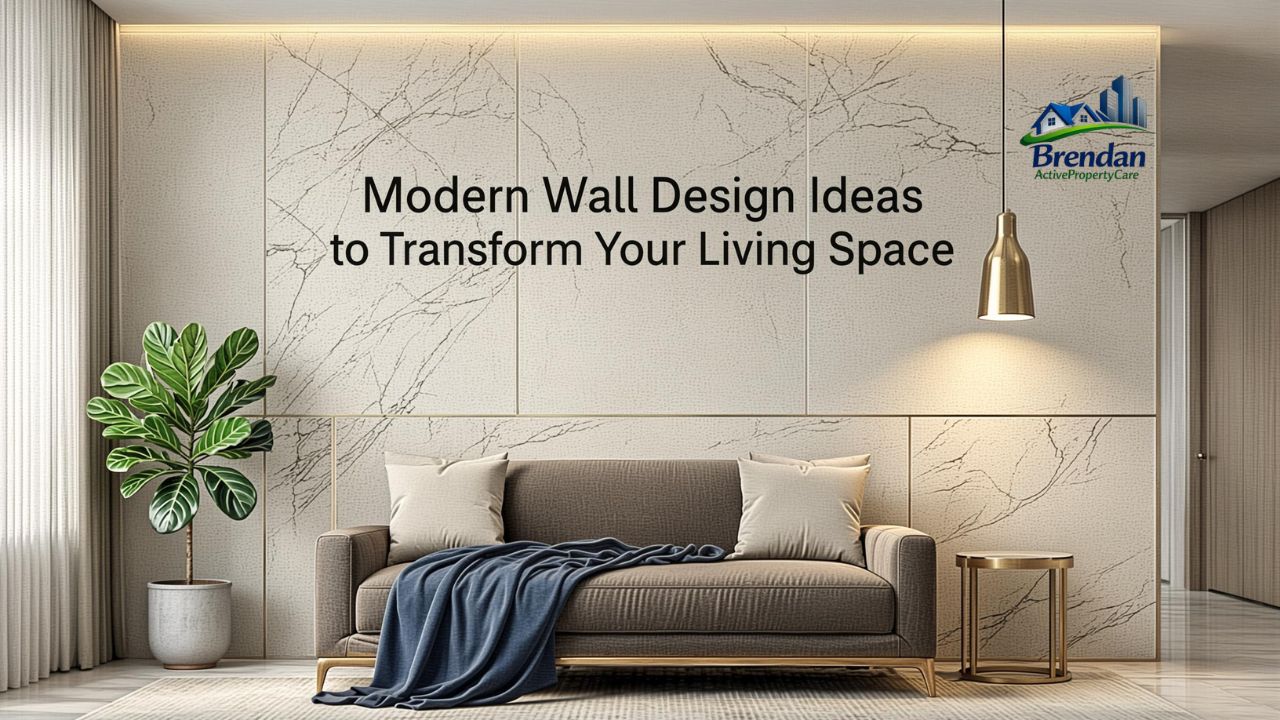
After two paragraphs of explanation, here is an example of how textured walls can enhance modern spaces.
Popular Wall Design Styles for Modern Homes
Minimalist Wall Concepts
Minimalist interiors emphasize simplicity, clean lines, and neutral tones. Instead of excessive decoration, the focus remains on balance and calmness.
Common minimalist approaches include:
- Neutral paint palettes
- Simple geometric art
- Subtle texture finishes
- Floating shelves
The beauty of minimalism lies in its ability to create elegance with minimal elements.
Accent Wall Ideas
An accent wall is designed to stand out from the rest of the room. It becomes the visual centerpiece and adds personality to the interior.
Popular accent wall techniques include:
- Bold paint colors
- Wallpaper patterns
- Wooden slats
- Stone textures
Accent walls are particularly effective in living rooms and bedrooms.
Materials That Elevate Wall Design
Different materials can dramatically change the appearance and feel of a wall. Choosing the right material depends on the style you want to achieve and the function of the room.
Wood Panels
Wood panels bring warmth and natural beauty to interiors. They are widely used in contemporary and Scandinavian designs.
Advantages of wood panels include:
- Natural texture
- Warm atmosphere
- Acoustic benefits
- Long-lasting durability
Vertical wood slats are especially popular in modern living spaces.
Decorative Stone and Brick
Stone and brick walls introduce a rustic or industrial aesthetic. They are often used in living rooms, dining areas, and fireplaces.
Benefits include:
- Strong visual impact
- Unique texture
- Timeless style
Wall Panels and 3D Surfaces
3D panels add depth and visual movement to flat surfaces. These panels come in materials such as PVC, gypsum, and MDF.
Designers often use them to create:
- Feature walls
- Modern office spaces
- Contemporary hotel interiors
The geometric patterns create a sophisticated architectural feel.
Color Psychology in Wall Design
Colors influence emotions more than most people realize. The right color choice can transform the mood of a room instantly.
Warm Colors
Warm tones such as terracotta, mustard, and deep red create a cozy and energetic environment.
These colors work well in:
- Dining rooms
- Social areas
- Living spaces
Cool Colors
Cool tones such as blue, gray, and soft green create calm and relaxing environments.
These colors are ideal for:
- Bedrooms
- Home offices
- Meditation spaces
Combining cool colors with natural textures often produces balanced interiors.
Creative Wall Design Ideas for Every Room
Living Room Walls
The living room is usually the heart of a home. A carefully planned wall design in this space can dramatically enhance the entire interior.
Ideas for living rooms include:
- Large framed artwork
- Wood slat panels
- Built-in shelves
- Backlit wall panels
Layering art with lighting can create a dramatic visual effect.
Bedroom Walls
Bedroom walls should promote relaxation and comfort. Soft colors and elegant textures often work best.
Popular bedroom ideas include:
- Upholstered panels behind beds
- Subtle wallpaper patterns
- Floating nightstand shelves
These elements create a cozy and luxurious atmosphere.
Dining Area Walls
Dining areas benefit from artistic and decorative walls that encourage conversation and warmth.
Common dining room features include:
- Gallery walls
- Decorative mirrors
- Textured paint finishes
These techniques make dining spaces feel more inviting.
Using Art and Decor in Wall Design
Artwork and decorative elements allow homeowners to personalize their interiors.
Gallery Walls
Gallery walls combine multiple artworks into one visual composition. They can include:
- Photographs
- Paintings
- Illustrations
- Typography prints
The key to a balanced gallery wall is maintaining consistent spacing and alignment.
Mirrors as Design Elements
Mirrors are not only decorative but also functional. They reflect light and make rooms appear larger.
Benefits include:
- Increased brightness
- Illusion of space
- Elegant aesthetics
Designers often place mirrors opposite windows to maximize natural light.
Infographic: Key Elements of a Balanced Wall
A well-balanced wall usually includes three design layers:
- Base Layer: Paint, wallpaper, or textured finish
- Structural Layer: Panels, shelves, or architectural details
- Decorative Layer: Art, mirrors, or lighting
When these layers work together, the wall becomes visually dynamic and harmonious.
Common Mistakes to Avoid
Even beautiful concepts can fail if executed incorrectly. Some common mistakes include:
- Overcrowding walls with decorations
- Ignoring room lighting
- Choosing colors that clash with furniture
- Using too many patterns
Balance and proportion are essential in achieving a refined result.
Maintenance Tips for Long-Lasting Walls
A beautiful wall requires proper care to maintain its appearance.
Practical maintenance tips include:
- Cleaning painted surfaces regularly
- Avoiding harsh chemicals on wallpaper
- Dusting decorative panels
- Repairing cracks promptly
Regular maintenance ensures that walls remain fresh and visually appealing for years.
FAQ
What is wall design in interior decorating?
Wall design refers to the creative treatment of walls using colors, textures, materials, and décor to enhance the overall appearance of a room.
How can I improve my wall design without renovation?
You can add artwork, install floating shelves, use peel-and-stick wallpaper, or create a gallery wall to refresh your interior without major changes.
Which wall design works best for small rooms?
Light colors, mirrors, and minimal décor usually work best for small spaces because they create the illusion of openness.
Are textured walls still popular?
Yes, textured finishes such as plaster effects, stone, and wood panels remain highly popular in modern interior styling.
What color walls make a room look bigger?
Light shades such as white, soft gray, beige, and pastel tones make rooms appear larger and brighter.
How do I choose the right wall design for my home?
Consider your furniture style, lighting conditions, room size, and personal taste. Matching the wall treatment with the room’s function is also important.
Can lighting enhance wall design?
Yes, wall lighting such as sconces or LED strips can highlight textures, artwork, and architectural details.
What materials are commonly used in decorative walls?
Common materials include wood, stone, brick, gypsum panels, wallpaper, and textured paint.
Conclusion
Walls are more than just structural elements—they are powerful design tools capable of transforming any interior. When approached thoughtfully, wall design can bring personality, balance, and artistic expression into a home. From minimalist styles to textured feature walls, the possibilities are endless.
By combining colors, materials, lighting, and décor elements, homeowners can create spaces that feel both beautiful and meaningful. Whether you prefer subtle elegance or bold creativity, a well-planned wall design has the power to turn an ordinary room into a truly inspiring environment.