
Introduction
A beautiful home is not always about expensive furniture or perfect design. Sometimes, it is about small choices that make daily life feel easier, warmer, and more peaceful.
That is where home good ideas matter. The right items, habits, colors, storage, and layout can turn a plain room into a place that feels calm, useful, and personal.
The global home decor market was valued at USD 802.26 billion in 2025, showing how much people now care about comfort, style, and better living spaces.
In this guide, you will learn how to choose useful pieces, avoid clutter, style each room, save money, and create a home that feels good to live in.
What Does Home Good Mean?
The phrase home good usually refers to useful, decorative, or comfort-focused items that improve a living space. This can include furniture, bedding, kitchen tools, storage baskets, rugs, lighting, wall art, candles, mirrors, and cleaning essentials.
In simple words, a good home item should do at least one of three things:
- Make your space more useful
- Make your space more comfortable
- Make your space more beautiful
A soft throw blanket, for example, adds comfort. A storage bench adds function. A warm lamp changes the mood of a room. Together, these small choices shape how your home feels every day.
Why Home Good Choices Matter
Your home affects your mood more than you may notice. A messy room can make you feel stressed. A dark room can feel heavy. A cluttered kitchen can make cooking feel harder than it is.
On the other hand, a well-arranged space can make ordinary routines feel better. Morning coffee feels nicer in a clean kitchen. Work feels easier at a tidy desk. Sleep feels deeper in a calm bedroom.
The home decor market is also growing because more people want spaces that feel personal and practical, not just expensive. One report valued the home decor market at USD 244.3 billion in 2025 and projected steady growth through 2035.
Best Home Good Ideas for Every Room
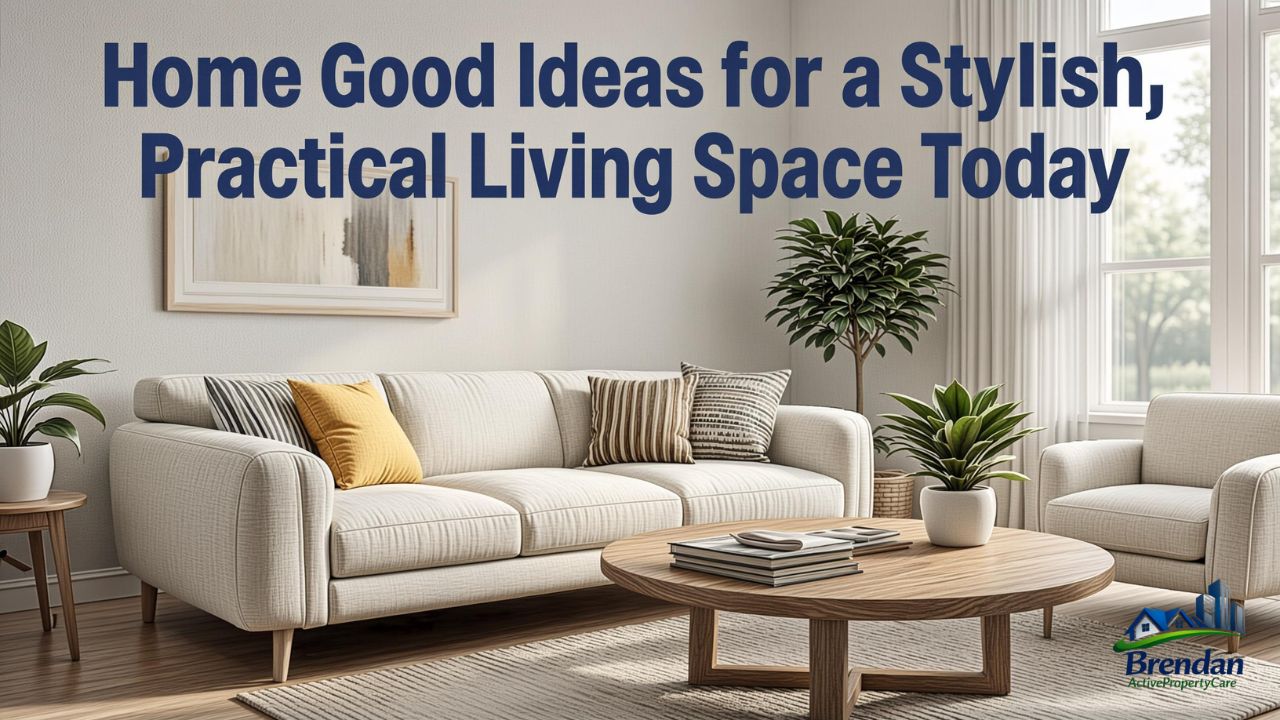
Living Room Ideas
The living room is often the first place guests see. It is also where families relax, watch TV, talk, and spend quiet evenings.
Good living room choices include:
- A comfortable sofa with washable covers
- A soft area rug to define the seating space
- A coffee table with hidden storage
- Warm floor lamps instead of harsh ceiling lights
- A few personal items, such as books, frames, or handmade decor
Avoid filling every corner. Empty space is not wasted space. It helps the room breathe.
Bedroom Ideas
Your bedroom should feel restful, not busy. Choose soft bedding, calm colors, and simple storage.
Useful bedroom items include:
- Cotton or linen bedsheets
- A supportive pillow
- Bedside lamps
- Under-bed storage boxes
- Blackout curtains
- A small basket for daily-use items
A strong home good approach in the bedroom means buying fewer things but choosing items that support better sleep and comfort.
Kitchen Ideas
A good kitchen is not only about looks. It should help you cook, clean, and move easily.
Try these ideas:
- Clear glass jars for dry foods
- Drawer dividers for utensils
- Wall hooks for mugs or pans
- Non-slip mats near the sink
- Stackable containers
- A small tray for oils and spices
When everything has a place, cooking feels less stressful.
Bathroom Ideas
Bathrooms can become messy fast, especially in family homes. The best upgrades are simple and practical.
Add:
- A shower caddy
- Matching towel sets
- Small baskets for skincare
- A mirror with storage
- Waterproof labels
- A soft bath mat
Good lighting also matters. A brighter mirror area makes grooming easier.
Entryway Ideas
The entryway sets the mood before anyone reaches the main room.
Helpful items include:
- A shoe rack
- Wall hooks
- A slim console table
- A key bowl
- A small bench
- A washable doormat
This area should be simple. Too many items near the door can make the whole home feel untidy.
How to Choose Quality Items
Not every pretty item is worth buying. Some products look nice online but break, fade, or feel cheap after a few weeks.
Check the Material
Wood, metal, cotton, linen, ceramic, and thick glass often last longer than thin plastic or weak particle board. For soft items, check fabric density and stitching.
Think About Daily Use
Ask yourself: Will I use this every week? Will it solve a real problem? Does it fit my space?
A home good item should not only look attractive. It should work for your lifestyle.
Choose Timeless Over Trendy
Trendy items can be fun, but too many trends make a home feel dated quickly. Use trendy colors in small pieces like cushions, art, or vases. Keep large furniture more timeless.
Compare Before Buying
Before buying, compare:
| Item | What to Check | Better Choice |
|---|---|---|
| Sofa | Frame, fabric, comfort | Strong frame with washable fabric |
| Rug | Thickness, cleaning needs | Low-pile washable rug |
| Lamp | Brightness, bulb type | Warm LED-compatible lamp |
| Storage | Size, durability | Stackable or multi-use storage |
| Bedding | Fabric, thread feel | Breathable cotton or linen |
Budget-Friendly Styling Tips
You do not need a huge budget to improve your home. Many rooms look better after rearranging, cleaning, and removing extra items.
Start With Decluttering
Before buying anything new, remove what no longer fits your space. Professional organizers have also highlighted intentional, economical, and sustainable organizing as a growing direction for homes.
A simple rule helps: if an item is broken, unused, uncomfortable, or emotionally heavy, it may be time to let it go.
Use Paint and Lighting
Paint can change a room faster than furniture. Warm white, soft beige, muted green, dusty blue, and clay tones can make a room feel calmer.
Lighting is just as powerful. Use:
- Warm bulbs
- Table lamps
- Floor lamps
- Under-cabinet lights
- Soft bedroom lighting
Mix Old and New
A home feels more human when it has layers. Mix new pieces with older items, family objects, travel finds, or thrifted decor.
That said, balance matters. Too many random objects can make a room feel confused.
Use Textures
Texture makes a room feel rich without needing many colors.
Try mixing:
- Wood
- Cotton
- Jute
- Ceramic
- Linen
- Woven baskets
- Soft rugs
- Knitted throws
Storage and Organization Ideas
Good storage is one of the most practical parts of home styling. When storage works, cleaning becomes faster and rooms stay fresh longer.
Hidden Storage
Choose furniture that does more than one job:
- Storage ottoman
- Bed with drawers
- Bench with inside storage
- Coffee table with shelves
- TV unit with cabinets
These pieces are perfect for small homes and apartments.
Open Storage
Open storage looks beautiful when used carefully. Shelves should not be packed full.
Use the 70/30 rule: keep 70% useful or decorative items and 30% empty space. This makes shelves feel calm instead of crowded.
Labels and Zones
Labeling is not only for big pantries. It helps in bathrooms, wardrobes, kids’ rooms, and laundry areas.
Create zones like:
- Daily use
- Backup stock
- Cleaning supplies
- Seasonal items
- Documents
- Tools
Common Mistakes to Avoid
Even good products can look bad when used the wrong way.
Buying Without Measuring
This is one of the biggest mistakes. A sofa may look perfect online but block walking space in real life.
Always measure:
- Wall length
- Door width
- Floor space
- Rug size
- Table height
Copying Trends Too Closely
Social media rooms look beautiful, but they may not fit your daily life. A white sofa may not work with small children. Open shelves may not work if you dislike dusting.
A smart home good choice fits your real routine.
Ignoring Maintenance
Some items need more care than others. Marble stains. White rugs show dirt. Glass tables collect fingerprints.
Before buying, ask: Can I clean this easily?
Overdecorating
Too many cushions, frames, candles, and baskets can make a space feel crowded. Choose fewer items with more meaning.
Personal Background and Financial Insights
This topic is not about a person, celebrity, or public figure, so personal background and net worth do not directly apply.
However, there is a useful financial lesson here. A better home is not built by spending randomly. It is built by making thoughtful choices over time.
For example, a family may spend less by buying one strong dining table instead of replacing cheap tables every two years. A renter may save money by using removable wallpaper, curtains, lamps, and rugs instead of permanent changes.
Financially, the best approach is simple:
| Budget Level | Best Focus |
|---|---|
| Low budget | Declutter, clean, rearrange, add lighting |
| Medium budget | Buy storage, rugs, bedding, curtains |
| Higher budget | Invest in sofa, mattress, dining table |
| A good home plan protects your money. It helps you avoid emotional purchases and focus on what improves daily life. |
FAQ
What is the meaning of home good?
Home good means any item that improves your home’s comfort, function, or appearance. It can include furniture, decor, storage, bedding, kitchen tools, and cleaning items.
How do I choose the right home good items?
Start with your real needs. Choose items that fit your space, match your routine, and solve a problem. Looks matter, but function matters more.
What are the best items for a small home?
The best items for small homes are multi-use pieces like storage beds, folding tables, wall shelves, stackable boxes, and slim cabinets.
How can I make my home look better on a low budget?
Declutter first, then improve lighting, add soft textiles, rearrange furniture, and use affordable decor like plants, frames, baskets, and cushions.
Which room should I improve first?
Start with the room you use most. For many people, that is the bedroom, kitchen, or living room. Improving one high-use space can quickly change how your home feels.
Are expensive home items always better?
No. Expensive does not always mean better. Quality depends on material, build, comfort, size, and how well the item fits your life.
How do I avoid clutter when decorating?
Use fewer pieces, leave empty space, and only display items that are useful, beautiful, or meaningful. Store the rest neatly.
What colors make a home feel calm?
Soft neutrals, warm whites, muted greens, light blues, beige, clay, and natural wood tones often make a home feel calm and welcoming.
Conclusion
A better home does not happen in one shopping trip. It grows through small, thoughtful decisions.
The best home good choices are the ones that make your life easier, your rooms calmer, and your space more personal. Focus on comfort, storage, lighting, quality, and the way you actually live.
When your home supports your daily routine, it becomes more than a place to stay. It becomes a place that helps you feel grounded, rested, and proud.